
Atherosclerotic cardiovascular disease (ASCVD) is the leading cause of death in China. Recently, dozens of experts across the country jointly published the Chinese Expert Consensus on Non-Traditional Lipid Indicators and Risk Management of Atherosclerotic Cardiovascular Disease (hereinafter the "Expert Consensus") in the Chinese Journal of Preventive Medicine. Approaching the subject from both laboratory and clinical perspectives, the Expert Consensus systematically sets out the significance of non-traditional lipid indicators in ASCVD risk management — including apolipoprotein B and lipoprotein(a), non-high-density lipoprotein cholesterol, remnant lipoprotein particles and non-fasting blood lipids — and offers corresponding clinical expert guidance. For the first time, nuclear magnetic resonance spectroscopy (NMRS) has been recognised and recommended by a Chinese expert consensus as a new detection technology. ProteinT introduced NMR spectrometers back in 2018 and has been committed to driving their clinical application; to date it has analysed more than 60,000 clinical samples. With the technology now written into the expert consensus, ProteinT is expected to bring more efficient and more precise lipid testing to a greater number of patients with cardiovascular and cerebrovascular disease, opening the way to substantially reducing risk and achieving precise prevention and control.
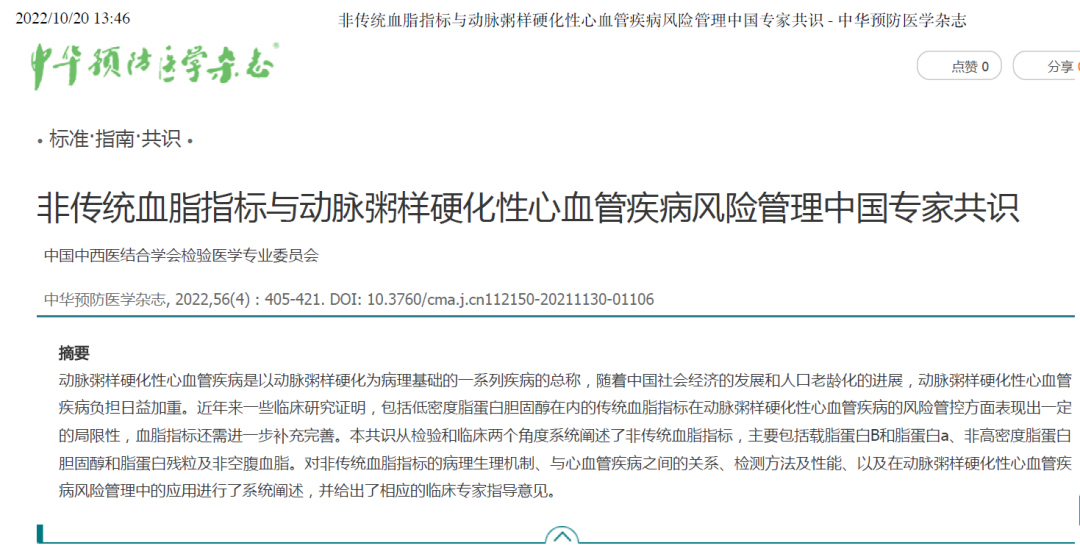
According to the Report on Cardiovascular Health and Diseases in China 2020, some 330 million people in China are currently living with cardiovascular disease, among them 13 million with stroke and 11 million with coronary atherosclerotic heart disease; on average, two out of every five deaths are caused by cardiovascular disease. The burden of cardiovascular and cerebrovascular disease has become a major public health issue in China. LDL-C, the traditional lipid indicator most widely used in clinical practice, can significantly reduce the incidence of cardiovascular events. Yet clinical studies show that even after active lipid-lowering therapy and intensive LDL-C management, a considerable ASCVD risk remains — the traditional indicator LDL-C cannot on its own meet the needs of ASCVD risk management.
In 2014, the National Lipid Association (NLA) of the United States, in its recommendations for patient-centred management of dyslipidaemia, progressively brought non-traditional lipid indicators such as non-HDL-C, ApoB, remnant cholesterol and Lp(a) into ASCVD risk assessment and treatment targets. The Laboratory Medicine Branch of the China Association of Integrative Medicine brought together experts from across the country to discuss and study these much-discussed non-traditional indicators with reference to international guidelines and consensus documents, and reached agreement on how they should be applied clinically, on their cut-off values and on how their value should be understood. The consensus also recommends a number of new instruments and methods, such as nuclear magnetic resonance spectroscopy (NMRS) and high-performance liquid chromatography with gel filtration columns (HPGFC). The release of this expert consensus will greatly improve the efficiency with which non-traditional lipid indicators are applied in the clinical practice of ASCVD risk management.
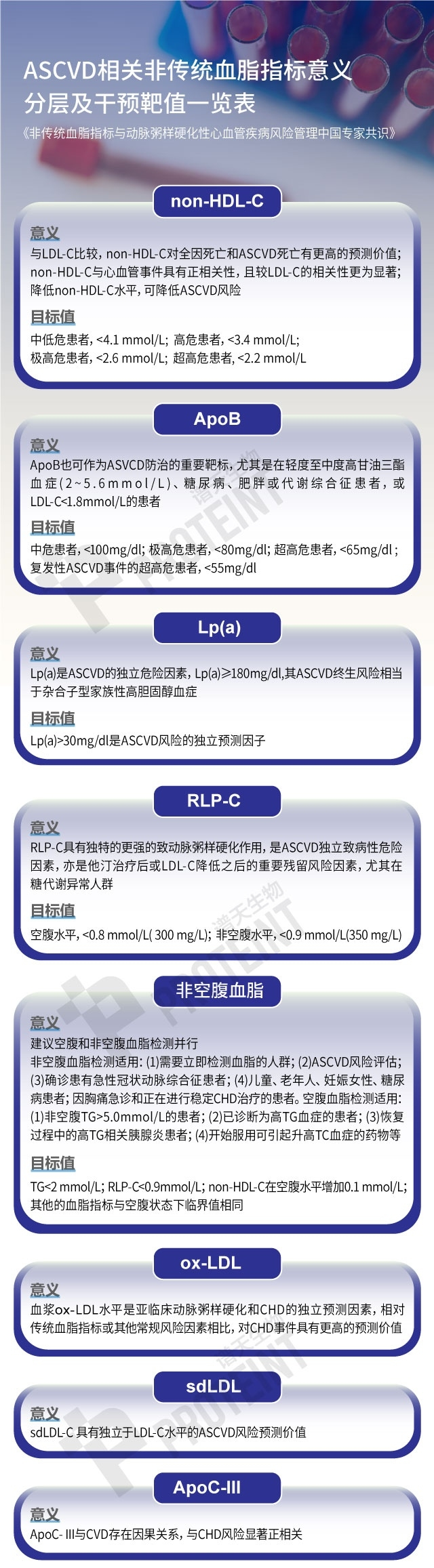
This Expert Consensus describes in detail the application of non-HDL-C, ApoB, Lp(a), RLP-C and non-fasting lipid testing in ASCVD risk management, covering their definitions, their relationship with ASCVD, detection methods, and their use and guideline recommendations. It also reaches consensus on the clinical application methods, cut-off values and perceived value of these non-traditional lipid indicators. Below is a summary table of the consensus opinions on ASCVD-related non-traditional lipid indicators, their significance, stratification target values and intervention target values (save it with one click for easy reference) —
The expert panel for this consensus was chaired by Peng Daoquan of the Department of Cardiovascular Medicine and Hu Min of the Department of Laboratory Medicine at the Second Xiangya Hospital of Central South University. It brings together the discussion, revision and review of more than 40 clinical experts from across the country, with the aim of providing a reference for clinicians and improving the efficiency with which non-traditional lipid indicators are applied in the clinical practice of ASCVD risk management.
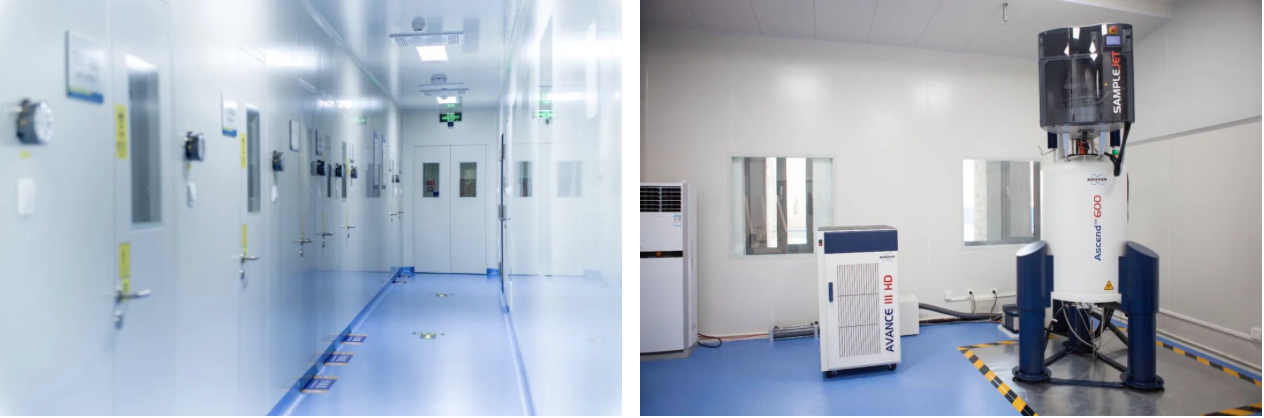
Since its founding, ProteinT has been rooted in multi-omics research across genes, proteins and metabolism, and has worked to apply it to early screening and early diagnosis, recurrence monitoring and companion diagnosis for cancer, cardiovascular and other diseases. From 2018, ProteinT introduced the NMR spectroscopy technology referred to in the consensus above, and signed a ten-year agreement with Bruker, the leading German name in nuclear magnetic resonance, becoming its exclusive cooperation and operating partner in China. ProteinT's NMR precision blood lipid testing service can measure 13 core indicators including lipoprotein particles and their subclasses, 114 blood lipid indicators and 39 blood metabolites, substantially filling the gaps left by the clinical methods currently available in China, and carrying important significance for early ASCVD warning, lipid monitoring, diagnostic and treatment indicators, and medication guidance. NMR-based lipid testing is already widely used at institutions including Mayo Clinic and LabCorp in the United States, with more than 2.5 million tests performed each year. To date, ProteinT has analysed more than 60,000 lipid samples in China. With NMR spectroscopy now written into the expert consensus, ProteinT is expected to bring more comprehensive and more precise risk prediction and medication guidance to a greater number of patients with cardiovascular disease, helping to raise the standard of lipid testing in China significantly.
