Liquid chromatography–tandem mass spectrometry (LC-MS/MS) combines the high resolving power of chromatography with the high selectivity, high specificity and high sensitivity of mass spectrometry, making it one of the most dynamic new technologies in clinical laboratory testing. Its analytical performance, however, is often constrained by the characteristics of the sample being measured. At present, the number of clinical sample preparation methods is large and some of them are time-consuming and cumbersome, creating difficulties for laboratory staff in method selection, method development and standardized operation. This consensus aims to provide guidance for laboratories in establishing methods and to support the standardized development of clinical mass spectrometry assays.
01 Sample Preparation Methods and the Basis for Their Selection
In terms of principle, sample preparation methods can be divided into dilution, protein precipitation, extraction, ultrafiltration concentration, immunoaffinity extraction and others. According to whether the target analyte undergoes chemical modification during preparation, they can be classified as derivatization or non-derivatization methods. The choice should take into account practical circumstances including the concentration level and physicochemical properties of the target analyte, the matrix type of the sample, and the sensitivity and anti-interference capability of the instrument.
02 Key Elements of Sample Preparation
"Human, machine, material, method and environment" is the collective term for the five main factors affecting product quality in total quality management theory, and these are also the key elements of sample preparation for clinical LC-MS/MS.
# Personnel # Requirements for Personnel in Sample Preparation
Recommendation: technicians performing sample preparation should receive dedicated training in the principles of chromatography and mass spectrometry, in analytical chemistry and pharmaceutical analysis, in instrument use and maintenance, in the test items concerned and in standard operating procedures, and may take up their posts only after passing an assessment.
# Instruments # Instrument Characteristics and Classification
1 Mass Spectrometer
The choice of sample preparation method is related to the sensitivity of the instrument. According to LC-MS/MS detection sensitivity from low to high, instruments fall into three categories: Class I (limit of detection above 20 fg), Class II (limit of detection between 1 fg and 20 fg) and Class III (limit of detection below 1 fg).
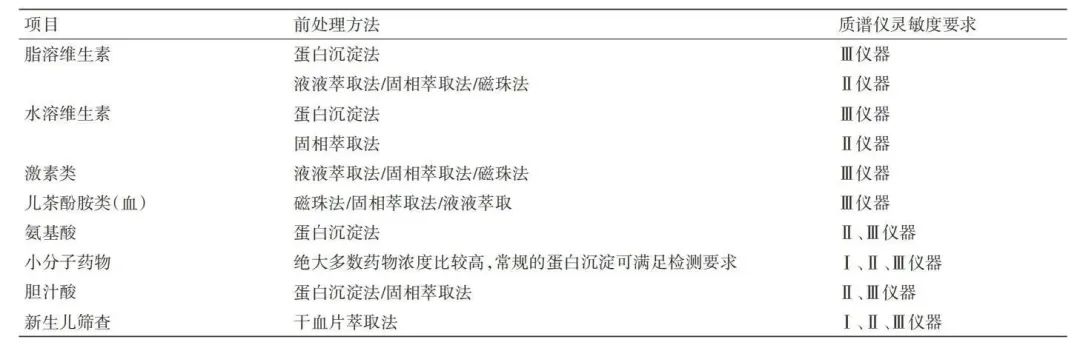
Recommended sample preparation methods and mass spectrometer sensitivity requirements for common clinical LC-MS/MS tests
Recommendations:The choice of sample preparation method is related to instrument sensitivity. For compounds with low concentration or low mass spectrometric ionization efficiency, derivatization is recommended to improve ionization efficiency, or a mass spectrometer with higher sensitivity should be used.
2 Auxiliary Equipment
Pipettes, shakers, centrifuges, nitrogen blow-down devices, positive/negative pressure devices, pipetting workstations, extraction equipment with magnetic modules and so on.
Recommendation:Laboratories should select appropriate preparation methods and detection instruments according to the physicochemical properties and physiological levels of the analytes and the required detection precision and sensitivity, so as to meet acceptable performance requirements and the intended clinical use.
# Materials # Key Requirements for Reagents and Consumables in Sample Preparation
3 Reagents
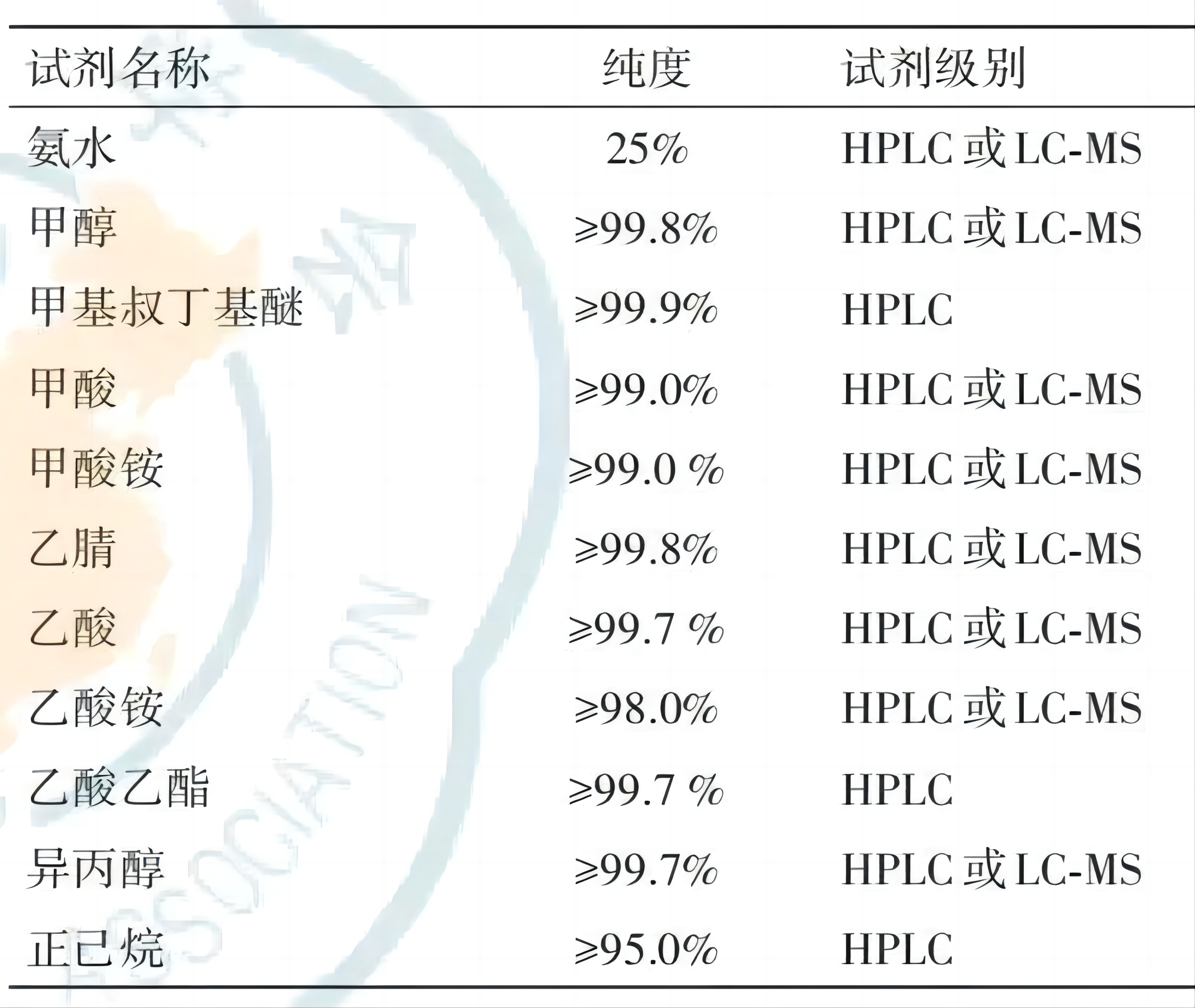
Reagents Commonly Used in Clinical LC-MS/MS Sample Preparation
Notes: (1) the reagents and reagent grades listed in the table are common examples provided for reference only; reagents used in clinical applications are not limited to those in this table. (2) the purified water used for sample preparation or for LC-MS should have a resistivity of 18.2 MΩ·cm or higher.
4 Matching Consumables
Recommendations:Given that LC-MS systems place high demands on the chemical grade of the reagents and mobile phases used and on the degree of sample purification, laboratories are advised to use reagents of HPLC or LC-MS grade and to adopt preparation methods with a higher degree of purification, so as to reduce wear and contamination of the LC-MS system. Cost-effective preparation equipment (tube-based or plate-based) should be selected according to the laboratory's throughput requirements.
5 Guidance on Sample Collection Activities
Laboratories should establish procedures for the collection and handling of primary samples, specifying the sample type, sample volume, collection devices, preservatives and storage times required for different tests, and should provide relevant information and guidance to those who collect the samples.
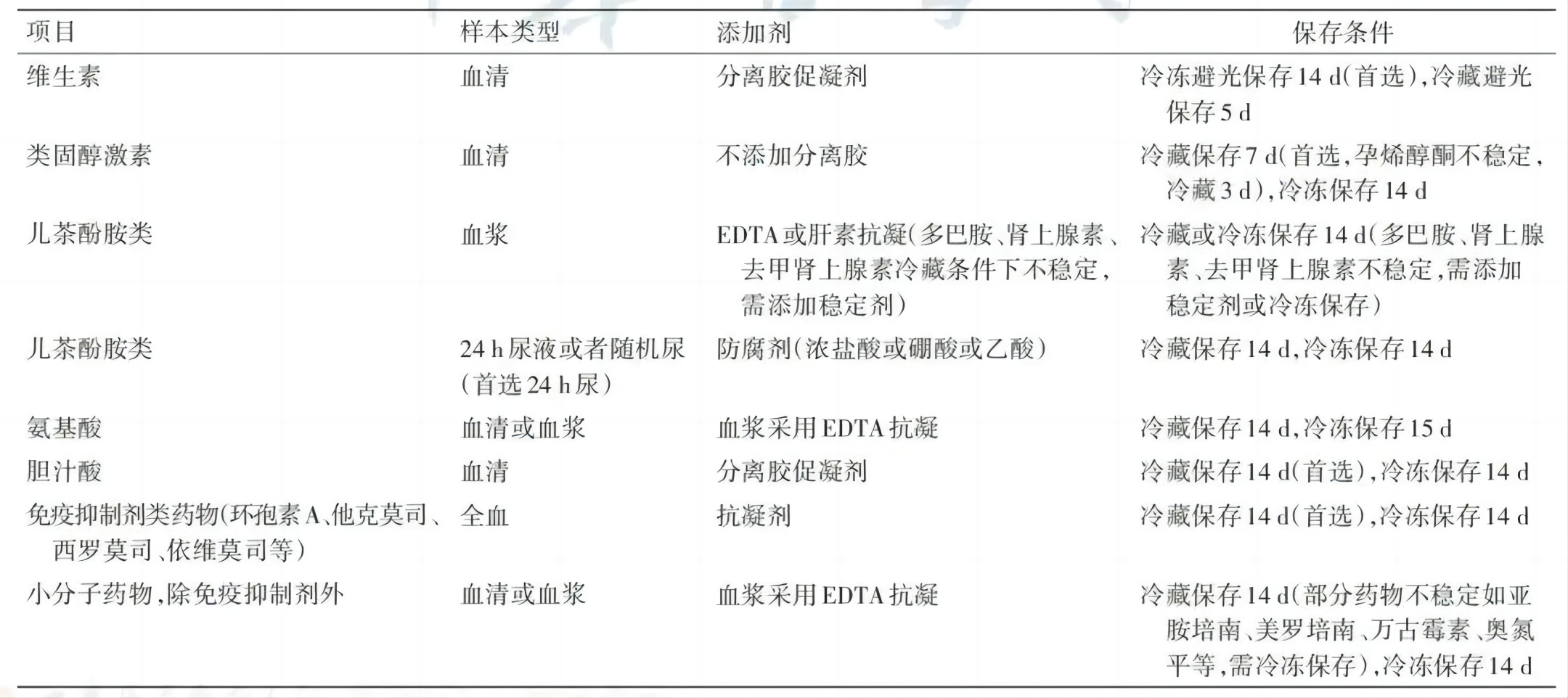
Table of sample types and storage conditions for common tests
# Method # Principles and Application of Preparation Methods
1 Dilution
The sample is diluted with a dilution solvent compatible with LC-MS/MS. The dilution method is suitable only for target analytes with a small matrix effect and relatively high concentration, in simple liquid matrices that contain little or no macromolecules.
Recommendation:The dilution method is recommended for body fluid samples with a high analyte concentration and a simple matrix composition (urine, tears, cerebrospinal fluid and so on).
2 Protein Precipitation
Physical, chemical or biological means are used to cause proteins to coagulate into a mass.
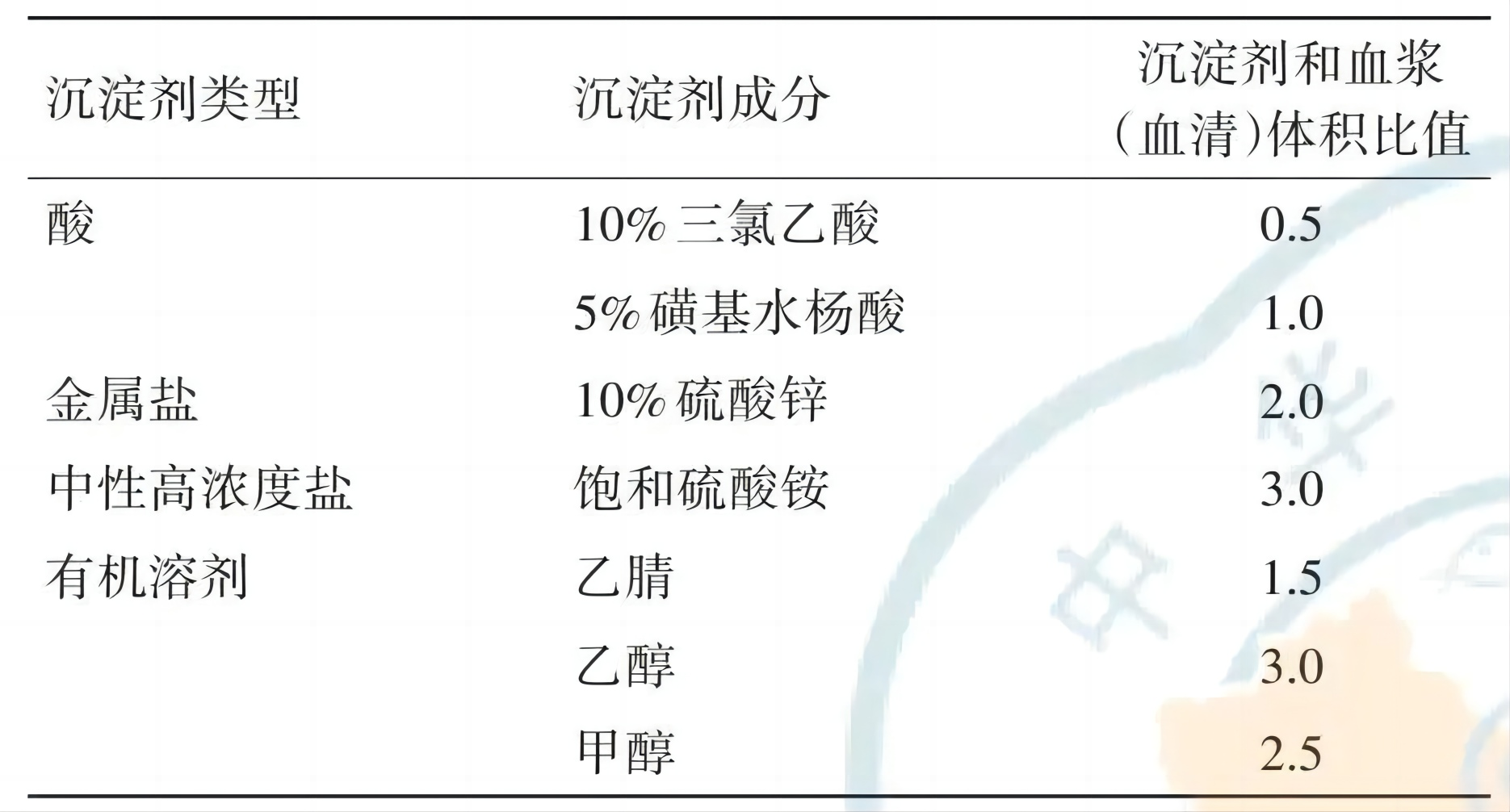
Common types of protein precipitating agents and the ratio of precipitating agent to sample
Note: the ratio of precipitating agent to plasma (serum) given here is the recommended minimum amount of precipitating agent, an amount sufficient to remove 90% of the protein in the sample
Recommendations:For serum, plasma and whole blood samples rich in soluble protein, protein precipitation is recommended when measuring small-molecule compounds. It is recommended to use acids, metal salts or organic solvents as precipitating agents, mix them with the sample in a defined ratio, vortex, centrifuge, and take the supernatant for analysis.
3 Extraction
Includes conventional extraction, liquid–liquid extraction, solid-supported liquid extraction and solid-phase extraction.
Recommendations:Based on the different physicochemical properties and polarity characteristics of the analyte, laboratories may use an appropriate extraction approach to separate the analyte from other matrix components, and select a suitable extraction carrier according to the difficulty of separating interfering substances. From conventional extraction (dried blood spots), liquid–liquid extraction and solid–liquid extraction to solid-phase extraction, sample clean-up capacity increases progressively.
4 Magnetic Bead Method
The main principle of the magnetic bead method is to coat the surface of a magnetic material with a stationary phase and to modify that stationary phase with corresponding functional groups. According to the type of substance the beads capture, the method falls into two categories: beads that adsorb the target analyte, called enrichment beads; and beads that adsorb impurities in the sample, called clean-up beads.
Recommendations:For tests that have magnetic bead kits available, their use is recommended once the laboratory has verified acceptable performance. Combined with a fully automated sample preparation system, this will greatly raise the level of automation in sample preparation.
5 Ultrafiltration
Recommendations:When using ultrafiltration, attention should be paid to the ultrafiltration rate. The pore size of the ultrafiltration membrane should be lower than the molecular weight of the protein that binds the target compound: if the pore size is too large, impurity levels are high and separation is inadequate; if it is too small, the permeability of the effective component is low and losses are large. The conditions and duration of ultrafiltration should also be controlled, for example physiological conditions (37 °C, pH 7.4) and low to moderate centrifugal force.
6 Equilibrium Dialysis
Recommendations:pH and temperature are crucial to the equilibrium between bound and free hormone, so dialysis should be performed at an appropriate pH and temperature. It is recommended to use a dialysis buffer whose biochemical composition is as close as possible to the ionic environment of serum/plasma. Laboratories should control the buffer conditions appropriately (for example 37 °C, pH 7.4).
7 Immunoaffinity Extraction
Recommendations:In immunoaffinity extraction the affinity column needs to be equilibrated to room temperature before sample extraction; for samples that exceed the loading capacity of the affinity column, the loading volume should be reduced for testing.
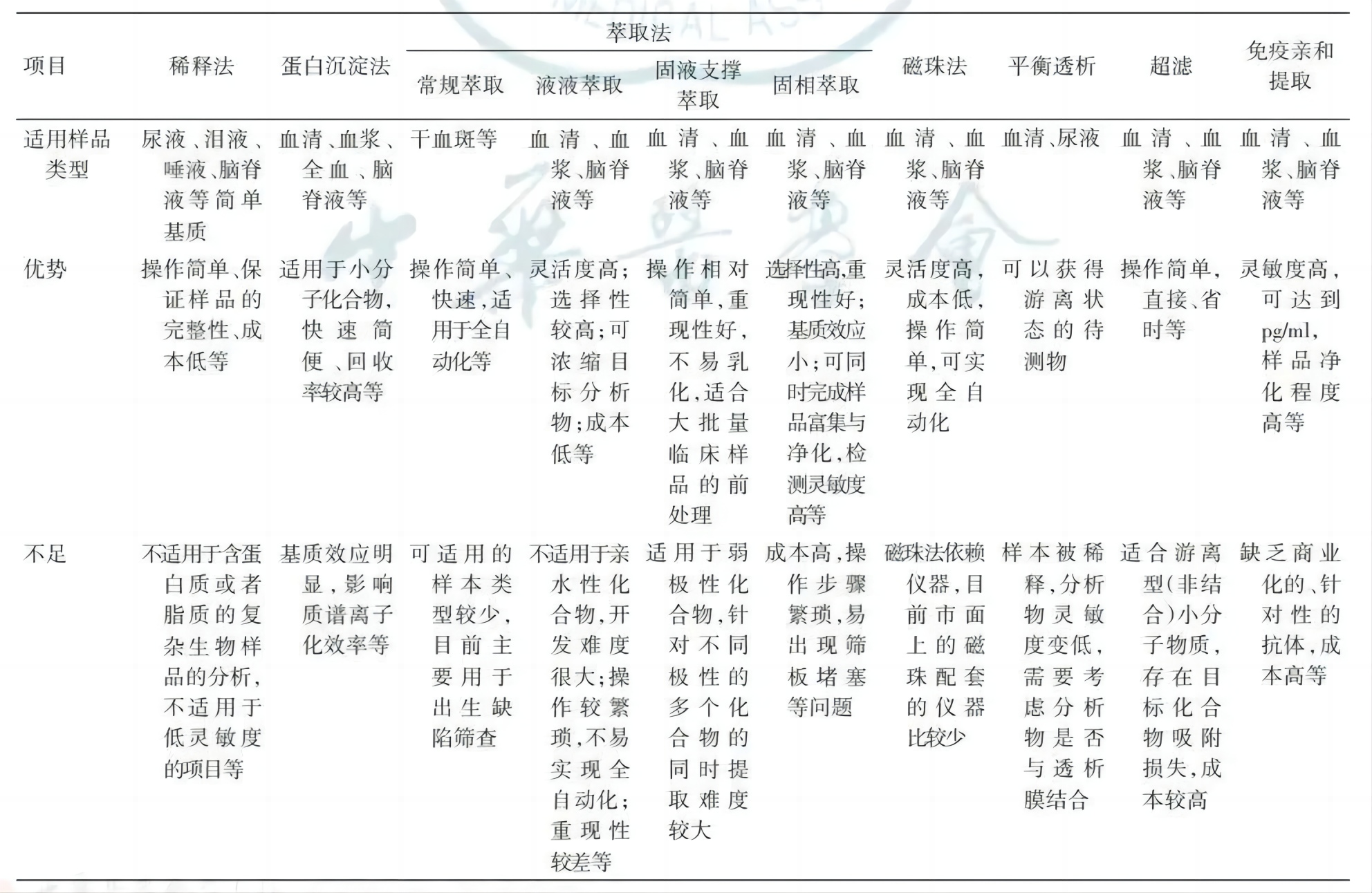
Summary of sample types suited to different methods in mass spectrometry sample preparation, and their advantages and disadvantages
8 Derivatization
Recommendations:Derivatization can improve the stability and analytical sensitivity of the analyte, but it also has the drawback of being time- and labour-intensive. Laboratories should select appropriate derivatization reagents and conditions to improve detection efficiency.

Comparison of derivatization and non-derivatization methods
# Environment # Environmental Requirements for Sample Preparation
Recommendations:Laboratories should pay attention to the volatile gases, heat and noise that the preparation process may generate, and should be equipped with good ventilation, heat dissipation or sound insulation. Where conditions permit, an independent preparation area can be set up, separated from the instrument area, to reduce interference with other instruments and personnel. Laboratories should assess and set requirements for environmental factors that may affect test results, including microbial contamination, dust, electromagnetic interference, humidity, power supply, temperature, sound and vibration.
03 Automation of Sample Preparation
The use of automated sample preparation equipment can significantly reduce manual error and improve analytical precision; it can also lower the labour intensity of technicians and raise overall testing efficiency. At present, automation in clinical mass spectrometry is still in its early stages.
The plasma protein and peptide extraction or purification reagents independently developed by ProteinT have been approved by the Tianjin Medical Products Administration (medical device filing No. 20230397). These preparation reagents use nanomagnetic bead materials to specifically adsorb plasma proteins, and after elution they remove high-abundance proteins to complete the extraction of the proteome. Requiring only a very small plasma sample, and combined with the latest 4D mass spectrometry platform, they enable qualitative and quantitative analysis detecting up to 8,000+ proteins within a 30-minute effective gradient for a single plasma sample, breaking through the bottleneck of plasma proteomics research.
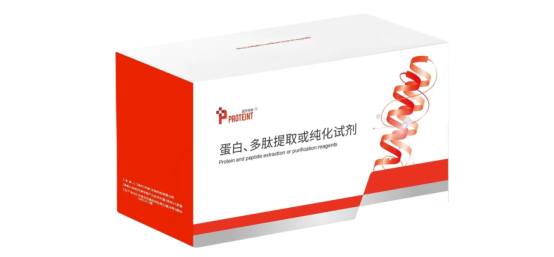
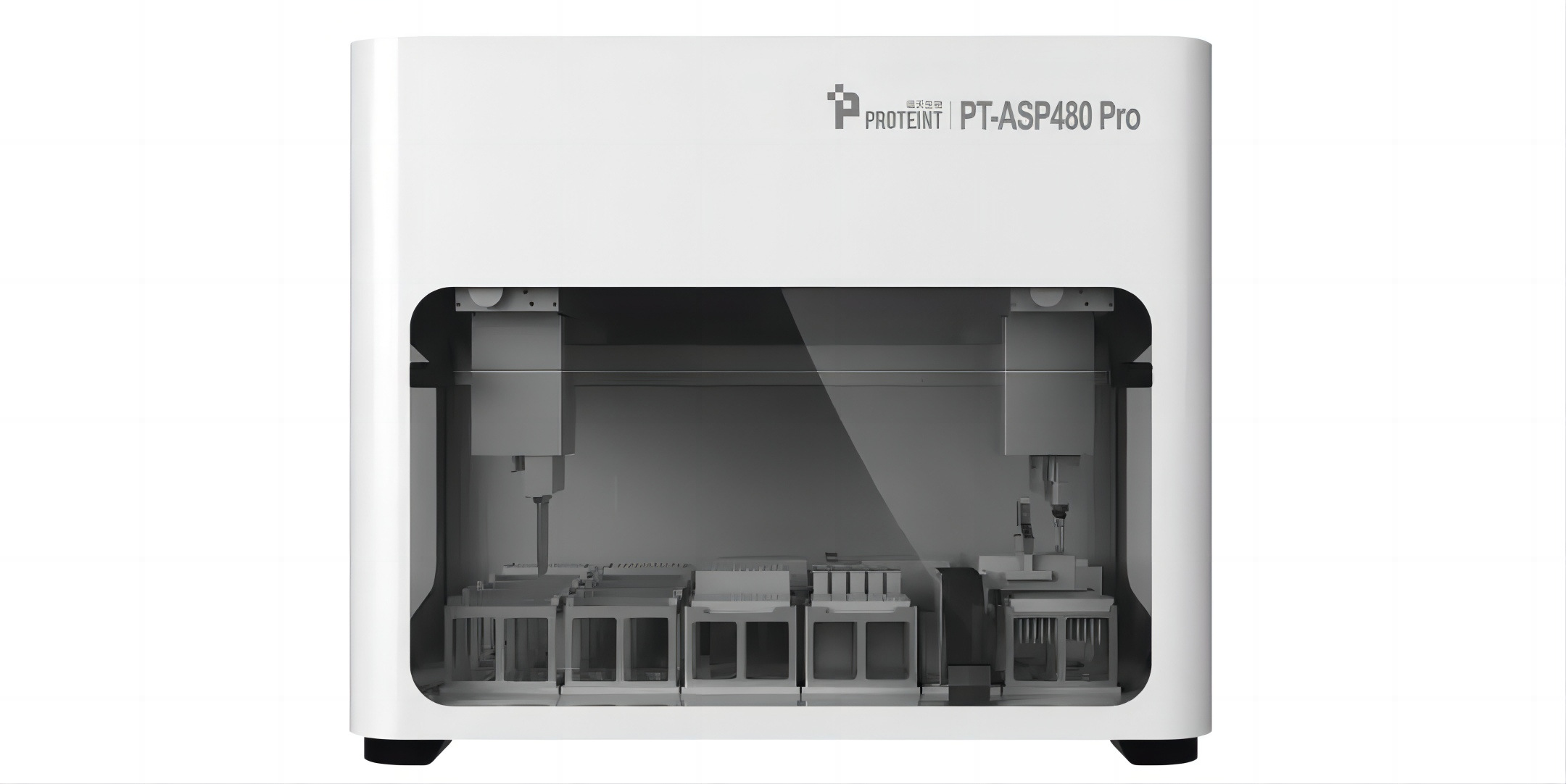
ProteinT's PT-ASP480 pro™ high-throughput automated protein/peptide enrichment and preparation platform has been submitted for regulatory filing. The workflow places the sample in a porous frit loaded with magnetic nanomaterials, followed by binding of the nanomaterials to proteins, washing away of non-specific proteins, reduction, alkylation and enzymatic digestion of the proteins, purification and desalting, and final preparation, before mass spectrometry detection. It not only increases the number of samples that can be extracted in a single batch and effectively shortens sample handling time, but also allows the entire sample preparation process to be completed within a single sample tube, enabling convenient, rapid, high-throughput sample processing.